

A Home renovation can be exciting. Whether you’re adding a new room, upgrading your kitchen, remodeling a bathroom, installing a swimming pool, or improving your electrical system, these projects can enhance comfort, functionality, and property value. However, renovations also introduce new risks that homeowners often overlook—especially when it comes to insurance coverage.
Before construction begins, it’s essential to understand how renovations may impact your homeowners’ insurance. Failing to plan could leave you underinsured or exposed to unexpected liability. At TPG Insurance Services, we help homeowners navigate renovation-related risks so their coverage keeps pace with their improvements.
We also offer auto and home insurance quotes from our colleagues at Mercury Insurance, and it takes less than 7 minutes to get started. Call 909.466.7876 today to review your coverage before your next home project begins. Also, find out How Personal Insurance Promotes Self-Care.
Why Home Renovation Risks Matter
Renovations change the risk profile of your home. Construction materials, contractors, temporary structures, and increased property value all affect how insurers view your property. Without adjusting your coverage, you could face gaps that only become apparent after a loss occurs.
Planning allows you to protect both your investment and your financial security throughout the renovation process.
5 Key Home Renovation Insurance Considerations
Before starting your project, work with your insurance professional to review potential exposures. Here are five critical areas to address.
1. Increasing Coverage Limits
One of the most common renovation oversights is failing to update your dwelling coverage limits. Renovations typically increase your home’s replacement cost—the amount it would take to rebuild your home after a covered loss.
For example:
- A kitchen remodel with high-end finishes
- A finished basement
- An added bedroom or bathroom
Each of these upgrades raises rebuilding costs. If your policy limits aren’t adjusted, you could be left paying out of pocket after a major claim. Reviewing and increasing coverage limits ensures your home is properly protected once renovations are complete.
2. Greater Liability Risks
Renovations can also increase your personal liability exposure. New features may introduce additional hazards that weren’t previously present.
Examples include:
- Swimming pools
- Hot tubs
- Decks or outdoor entertainment areas
- Staircases or structural changes
If a guest, contractor, or delivery person is injured on your property, you could be held financially responsible. While standard homeowners insurance includes liability coverage, higher-risk features may require increased limits or additional protection, such as a personal umbrella policy.
3. Additional Insurance Needs During Construction
Depending on the scope of your renovation, your existing homeowners’ policy may not fully cover construction-related exposures. You may need to consider additional coverage options, such as:
- Builders’ risk insurance, which can help cover materials, equipment, and temporary structures during construction
- Personal umbrella insurance, especially if multiple contractors or subcontractors will be working on-site
- Coverage for theft or damage to stored building materials
Identifying these needs early helps prevent coverage gaps while work is in progress.
We also offer auto and home insurance quotes from our colleagues at Mercury Insurance, and it takes less than 7 minutes to get started. Call 909.466.7876 today to review your coverage before your next home project begins. Also, find out How Personal Insurance Promotes Self-Care.
4. Confirm Contractor Insurance Coverage
If you’re hiring a contractor, it’s critical to verify that they are properly bonded and insured. Never assume coverage is in place.
Ask contractors to provide:
- Proof of general liability insurance
- Workers’ compensation coverage
- Confirmation of adequate policy limits
Verify that the coverage is current and sufficient for the type of work being performed. If a contractor is uninsured or underinsured, you could be held responsible for injuries or damage that occur on your property.
5. Understand Vacancy and Occupancy Rules
Many homeowners are surprised to learn that temporarily vacating their home during renovations can affect insurance coverage. Standard homeowners’ policies typically require the home to be occupied.
If a home is vacant or unoccupied for an extended period, insurers may:
- Restrict coverage
- Deny certain claims
- Require special endorsements or vacant home policies
Unoccupied properties are considered higher risk due to increased chances of theft, vandalism, and undetected damage. Always notify your insurer if you plan to move out during construction—even temporarily.
Stay in Touch With Your Insurance Provider
Keeping your insurance carrier informed about renovation plans is one of the most important steps you can take. Failing to disclose improvements could result in being underinsured or, in some cases, policy cancellation or nonrenewal.
Proactive communication ensures:
- Coverage limits remain accurate
- New risks are addressed
- Claims aren’t delayed or denied due to undisclosed changes
Even smaller projects can have insurance implications, so it’s best to check in before work begins.
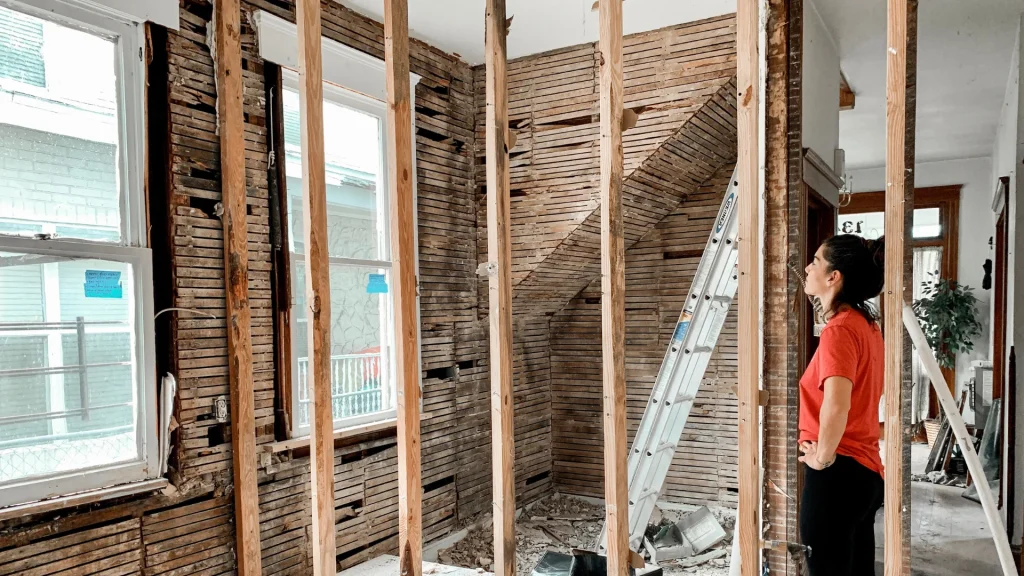
Home Renovation With Confidence
Home renovations should improve your lifestyle—not create new financial risks. By understanding potential exposures and reviewing your insurance coverage before construction starts, you can protect your home, your finances, and your peace of mind.
At TPG Insurance Services, we help homeowners evaluate renovation risks and adjust coverage accordingly.
We also offer auto and home insurance quotes from our colleagues at Mercury Insurance, and it takes less than 7 minutes to get started. Call 909.466.7876 today to review your coverage before your next home project begins. Also, find out How Personal Insurance Promotes Self-Care.
