

Severe weather events are becoming increasingly common across the United States. From hailstorms and wildfires to flash floods and high winds, these natural disasters can cause serious damage to vehicles. If your car has been affected, knowing how to file an auto insurance claim for weather-related damage is essential to protect your finances and get back on the road.
This article explains what type of coverage you need, how to navigate the claims process, and why partnering with an experienced insurance broker like TPG Insurance Services can make all the difference.
Call us today at 909.466.7876 or visit our website to learn more about comprehensive auto insurance coverage and auto insurance claims. We can keep you protected from life’s unexpected storms. Also, learn How Diminishing Deductibles Save You Money by reading this short blog article.
Does Auto Insurance Cover Weather-Related Damage?
Not all auto insurance policies protect you from weather damage. Most states only require drivers to carry:
- Liability insurance – Covers bodily injury or property damage you cause to others in an accident.
- Personal injury protection (PIP) – Covers your medical expenses regardless of fault (required in some states).
- Uninsured/underinsured motorist coverage – Protects you if you’re in an accident with someone who doesn’t have enough insurance.
While these coverages are important, they generally do not pay for weather-related damages. For that, you need comprehensive coverage.
Comprehensive insurance protects your vehicle against non-collision incidents, including:
- Hailstorms
- Hurricanes or tornadoes
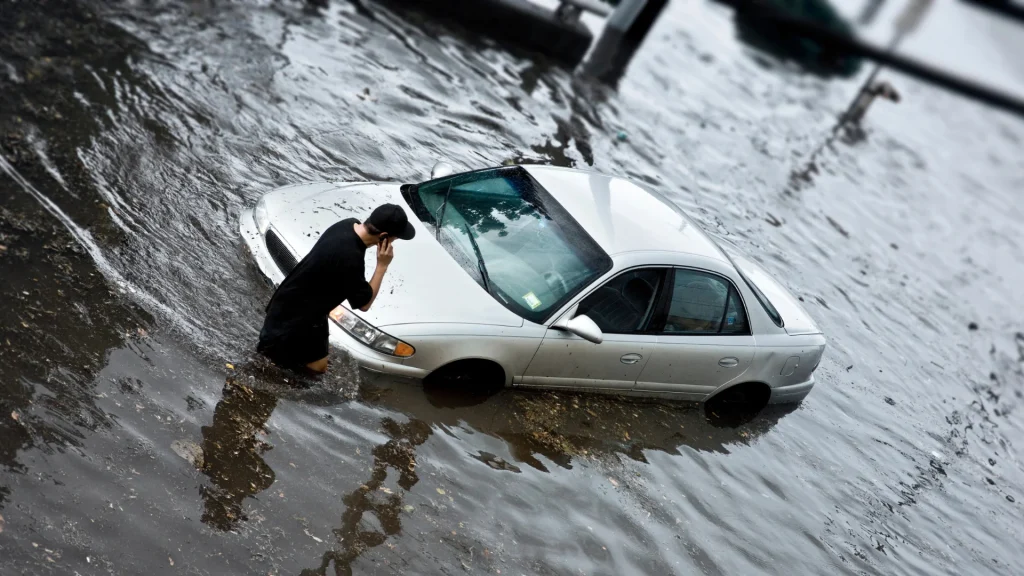
- Flooding and flash floods
- Wildfires
- Falling objects, such as tree limbs during a windstorm
Although comprehensive coverage isn’t usually required by law, it can save you thousands of dollars in out-of-pocket expenses if a natural disaster damages your car.
How to File a Weather-Related Auto Insurance Claim
If your car is damaged by extreme weather, follow these steps to help ensure a smooth claims process:
- Contact your insurance company immediately.
Report the damage as soon as possible. After major disasters, some insurers even launch special disaster relief programs to speed up claims processing. - Prioritize your safety.
Don’t attempt to drive a vehicle that may have structural or electrical damage. Even if the exterior damage seems minor, unseen issues could make the car unsafe to operate. Wait until an adjuster has inspected the vehicle. - Assess your vehicle’s condition.
If it’s safe, take a quick look for visible damage such as shattered glass, dents, water intrusion, or fire damage. Make note of anything that seems unusual. - Document everything.
Take clear photos and videos of the damage from multiple angles. Include close-ups and wide shots. If you notice smells like smoke or fuel, write them down. Providing detailed documentation helps your insurance company evaluate the claim more effectively. - Stay patient during the process.
After widespread disasters, insurers often receive thousands of claims at once. Processing times can take longer than usual. Keeping thorough records and staying in communication with your adjuster can help.
Why the Right Auto Insurance Matters
The weather is unpredictable, but your financial protection shouldn’t be. Having the right auto insurance policy in place before disaster strikes can save you time, stress, and money. By working with TPG Insurance Services, you gain access to experienced insurance professionals who can help you:
- Review your current policy and identify coverage gaps.
- Compare comprehensive coverage options that protect against weather damage.
- Bundle auto and home insurance to maximize savings.
- Get personalized support during the claims process.
Learn More About the Auto Insurance Claim Process
Don’t wait until after a disaster to find out you’re not covered. The team at TPG Insurance Services is here to answer your questions, review your policy, and help you secure the right protection.
Call us today at 909.466.7876 or visit our website to learn more about comprehensive auto insurance coverage and auto insurance claims. We can keep you protected from life’s unexpected storms. Also, learn How Diminishing Deductibles Save You Money by reading this short blog article.
