

Cyberattacks don’t stop at the first breach. Instead, they grow stronger over time. Once inside a network, attackers use lateral movement to quietly spread through systems, steal data, and evade detection. This method often goes unnoticed—until it’s too late.
In this article, we’ll explain how lateral movement works, why it’s dangerous, and what your business can do to shut it down before it spreads.
Ready to strengthen your defenses? Contact us today at 909.466.7876 and speak to a TPG Commercial Insurance Specialist! Also, learn how to Protect Your Business from VPN Vulnerabilities
What Is Lateral Movement?
Lateral movement is when attackers move across a network after breaking in. Rather than staying in one place, they explore other systems to gain deeper access. Most times, they use stolen credentials to look like normal users. This makes them hard to detect.
It’s not a smash-and-grab. It’s a long game—and a silent one.
How Lateral Movement Happens
1. External Research
Attackers begin by studying their target. They find weak points, such as unpatched systems or exposed services. This helps them plan where and how to break in.
2. The Initial Breach
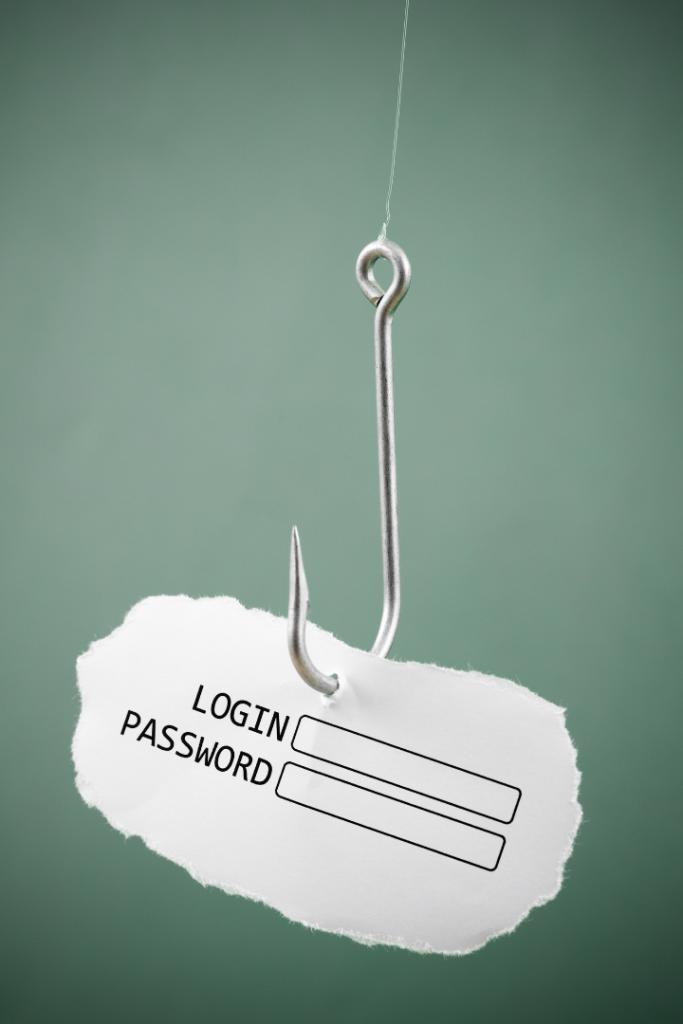
Next, they sneak in. This can happen through phishing emails, malware, or stolen passwords. Once inside, they blend in with regular traffic.
3. Escalating Privileges
Once inside, they try to become administrators. They hunt for higher-level credentials or misconfigurations. If successful, they can access more systems and data.
4. Lateral Movement
Here, lateral movement begins. Attackers hop between systems using built-in tools like PowerShell, RDP, or WMI. Each move gets them closer to valuable data.
5. Staying Hidden
To stay in control, they:
- Create backdoor accounts
- Hide activity logs
- Disable alerts
At this point, they may already be watching, copying, or locking down your data.
Why Lateral Movement Works So Well
Lateral movement is effective because:
- It looks legitimate: Stolen credentials make attackers seem like valid users.
- It avoids alerts: Internal network traffic often goes unchecked.
- It expands reach: One system leads to many more, especially with admin rights.
- It gives time: The longer they’re in, the more they learn and steal.
Without advanced detection, this tactic can go on for weeks—or even months.
Common Tactics Used in Lateral Movement
Internal Spear Phishing
Attackers send emails from compromised internal accounts. These emails seem real, which makes staff more likely to open them.
Remote Services Abuse
They take over VPNs, RDP, or apps like Microsoft Teams. These tools become launchpads to other systems.
Pass-the-Hash
Hackers use password hashes (not the actual password) to log in. This gives them silent access to more systems.
Pass-the-Ticket
They steal Kerberos tickets to impersonate users. This trick allows them to use internal services without raising alarms.
Ready to strengthen your defenses? Contact us today at 909.466.7876 and speak to a TPG Commercial Insurance Specialist! Also, learn how to Protect Your Business from VPN Vulnerabilities
How to Stop Lateral Movement
1. Segment the Network
Divide your network into zones. If attackers break into one area, they can’t easily reach the rest.
2. Enforce Least Privilege Access
Users should only get the access they need—nothing more. This reduces what attackers can do if they steal a login.
3. Implement Zero Trust
Never trust anyone by default. Verify every login, device, and action—even inside the network.
4. Use Multifactor Authentication
Require more than just a password. Even if hackers steal credentials, they’ll need a second factor to get in.
5. Deploy Endpoint Detection Tools
These tools watch for unusual activity. When they spot it, they alert your team fast.
6. Monitor Admin Accounts Closely
Admins should have two accounts: one for daily use, another for admin tasks. Protect both with strict policies and alerts.
7. Set Up Honeypots
Honeypots are fake targets that trick hackers. If someone accesses a honeypot, you’ll know something is wrong.
8. Work with an MDR Provider
Managed Detection and Response teams give you 24/7 support. They detect and stop threats before damage is done.
Get Ahead of Lateral Movement
Lateral movement is a powerful tactic. It gives cybercriminals time, control, and access to your most sensitive systems. However, with smart defenses and constant vigilance, you can stop them.
Build strong walls, monitor activity, and never assume your network is safe just because things seem quiet.
