

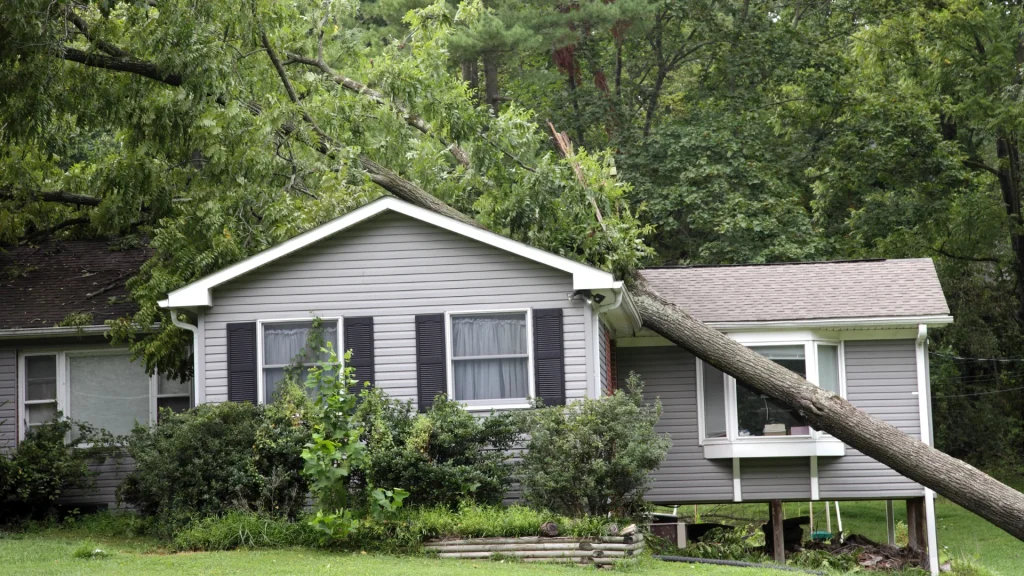
Severe weather can strike at any time, and with it comes the risk of trees toppling over or heavy limbs snapping. Every year, storms cause thousands of fallen trees, leaving behind damaged homes, fences, sheds, and vehicles. Beyond the physical cleanup, figuring out who pays for tree damage can be stressful—especially if the tree that caused the problem came from your neighbor’s yard. As an insurance homeowner, what should you do?
Many homeowners are surprised to learn that in most cases, if a neighbor’s tree falls on your home, it’s your own homeowners’ insurance policy that covers the damage, not your neighbor’s. Understanding how insurance works in these situations can help you prepare for unexpected costs and avoid disputes.
Contact TPG Insurance Services today at 909.466.7876 to review your homeowners policy and make sure you’re covered for whatever storms may come your way. Also, check out the Rise Strong: Rebuilding After a Disaster blog article to learn more about disasters and home insurance.
Your Property, Your Homeowners Policy
A general rule of thumb is simple: if your property is damaged, your policy responds. Whether the tree came from your own yard, a neighbor’s yard, or even municipal property, the responsibility typically falls on you to file a claim.
Storms are considered “acts of nature” and not anyone’s fault. That’s why comprehensive homeowners insurance coverage is essential—it protects you against unexpected events like a windstorm knocking a tree onto your roof.
Their Property, Their Policy
This rule works both ways. If your tree falls on your neighbor’s home during a storm, their homeowners’ insurance would cover the damage, not yours. While it may seem unfair, this standard maintains consistency and clarity for both parties.
Negligence and Liability Considerations for a Homeowner
Things become more complicated when negligence is involved. Suppose your neighbor ignored a diseased or rotting tree that was clearly at risk of falling, and it eventually damages your property. In that case, your insurance company may still pay your claim initially. However, they could later pursue reimbursement from your neighbor’s insurer through a process called subrogation.
The same is true in reverse. If you have damaged or diseased trees and ignore the risks, you could be found liable if they harm your neighbor’s property. To avoid disputes and potential financial responsibility, inspect your trees regularly or hire a certified arborist to identify risks.
Coverage for Other Structures
Fallen trees don’t always hit your house—they may damage fences, sheds, gazebos, or detached garages. Fortunately, most homeowners’ insurance policies provide coverage for these “other structures.” The coverage limit is often around 10% of your dwelling coverage, but this varies by policy, so it’s important to review your limits.
When a Tree Damages Your Car
If a tree crashes onto your car during a storm, your auto insurance policy (not homeowners) applies. Comprehensive auto insurance typically covers storm-related tree damage after you pay your deductible. The same applies if a guest’s car is damaged on your property.
Tree Removal and Cleanup
What if the tree falls but doesn’t hit anything? Coverage here depends on the situation. If the tree blocks access to your driveway or front door, many policies will pay for removal—usually up to about $500. If the tree simply falls in your yard without damaging insured property, there’s generally no coverage.
Replacing the Trees Themselves
Insurance coverage for replacing fallen trees is limited. While policies often exclude wind damage replacement, coverage may exist if the loss is caused by fire, lightning, vandalism, theft, or similar hazards. Limits are modest, so review your policy and consult with your broker for clarification.
Homeowner Protect Yourself Before the Storm
Regular tree maintenance, annual inspections, and strong homeowners’ insurance coverage are the best ways to prepare for storm damage. Knowing how your policy applies to fallen tree scenarios can save time, money, and stress after severe weather.
At TPG Insurance Services, we help homeowners understand their coverage and ensure they’re fully protected against unexpected losses. Whether you’re reviewing your policy or need tailored advice, our team is here to help.
Contact TPG Insurance Services today at 909.466.7876 to review your homeowners policy and make sure you’re covered for whatever storms may come your way. Also, check out the Rise Strong: Rebuilding After a Disaster blog article to learn more about disasters and home insurance.
